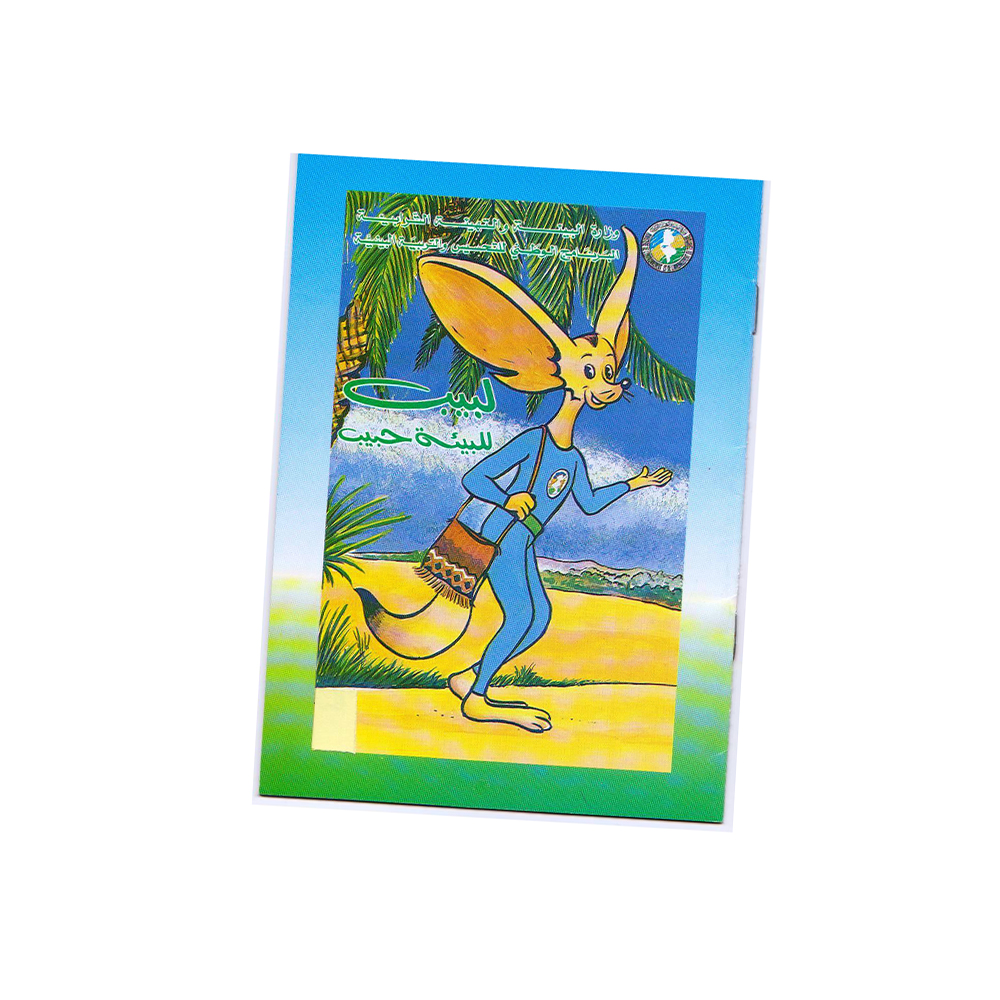
Before becoming a nostalgic character remembered by generations, Labib was first an object. A simple figure printed on school notebooks, posters, educational material, and public awareness campaigns. It existed in classrooms, on desks, inside school bags, and on the walls of institutions. Over time, these everyday objects outlived their original purpose and became something else: carriers of memory. For many Tunisians, seeing Labib today is not just remembering a character; it is remembering a classroom, a schoolyard, a childhood routine, a specific moment in the country’s collective history. The object became more powerful than the message it was originally created to deliver. What was once a tool for education slowly transformed into a cultural artifact, proving that some designs do more than communicate. They become landmarks in our personal and collective memories. Decades later, Labib remains recognizable not because people consciously tried to preserve him, but because he became embedded in the physical objects that surrounded an entire generation.
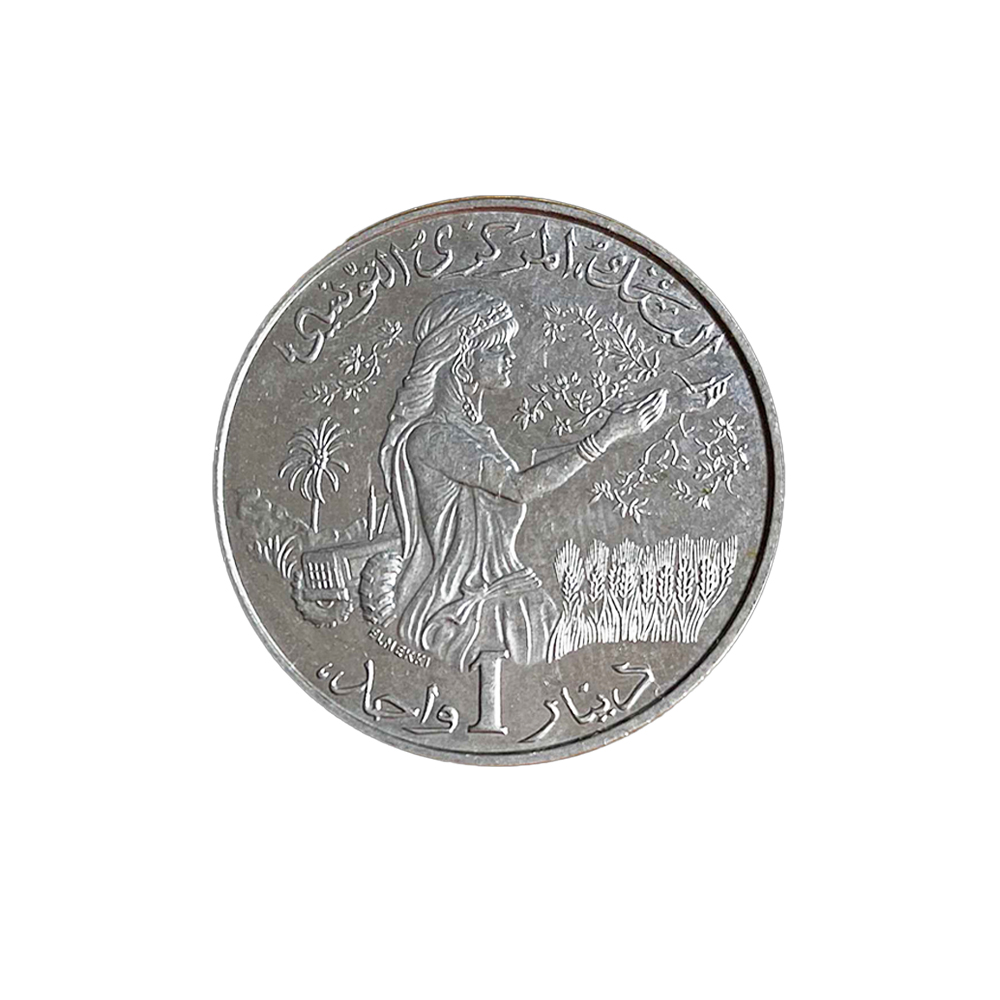
In a time when most creative work disappears as quickly as it arrives, Hatem El Mekki created objects that refused to be forgotten. His posters, illustrations, stamps, book covers, murals, and countless visual works were never just images; they became containers of collective memory. Long before people spoke about personal brands, engagement, or content creation, he understood that creativity could leave a physical trace in the world. His work entered homes, schools, streets, books, and public spaces, becoming part of everyday life for generations of Tunisians. What makes his legacy remarkable is not only the quality of his art, but the fact that it survived its moment. While much of today’s creative output is designed to be consumed and replaced, El Mekki’s work continues to speak decades later because it was rooted in culture, identity, and purpose. He didn’t simply create visuals; he created memories people could hold, collect, revisit, and pass on. In many ways, his greatest achievement was transforming art into something larger than himself: a living archive of a nation, preserved not through algorithms or trends, but through objects that continue to exist long after their creator is gone.
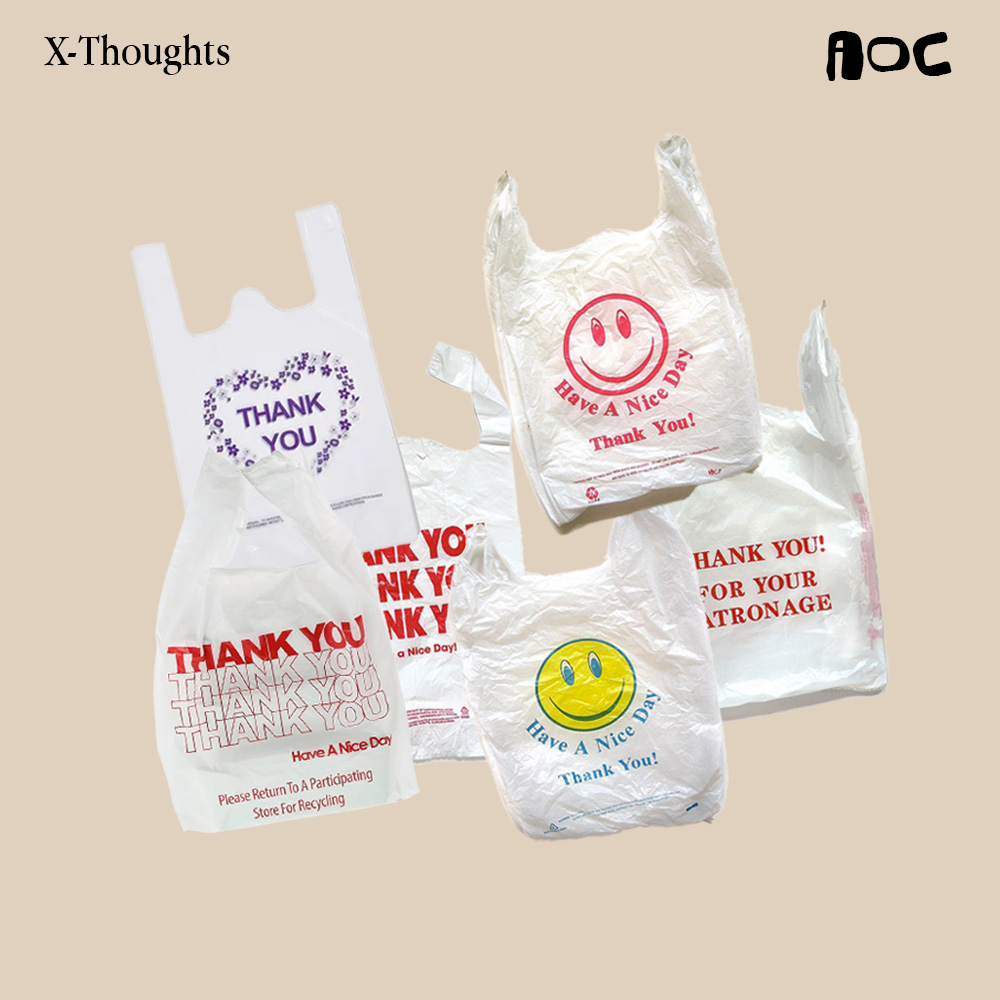
Most impactful everyday designs rely on the raw constraint of just one or two unapologetic colors, actively rejecting the weak, sterile gradients of digital perfection in favor of clear, heavy shapes and screaming, undeniable contrast. To build a visual presence that actually commands attention in a desaturated world, you must anchor your work in a single dominant hue and construct it with solid, forceful forms that leave absolutely no room for hesitation. When it comes to texture, we must completely forget the frictionless polish of modern software; instead, we inject a raw, analog noise or physically print one dense layer of ink over another, deliberately honoring the visceral bleed and authentic imperfections of traditional silkscreen and risograph printing. At xtra studio, this methodology is our foundational blueprint: we embrace these tactile, high-contrast techniques not as limitations, but as necessary weapons to shatter the digital void, proving that the most enduring design is always fiercely tangible, rooted in the improvised grit of the streets, and built with enough unapologetic volume to permanently cut through the endless grey noise of lazy minimalism
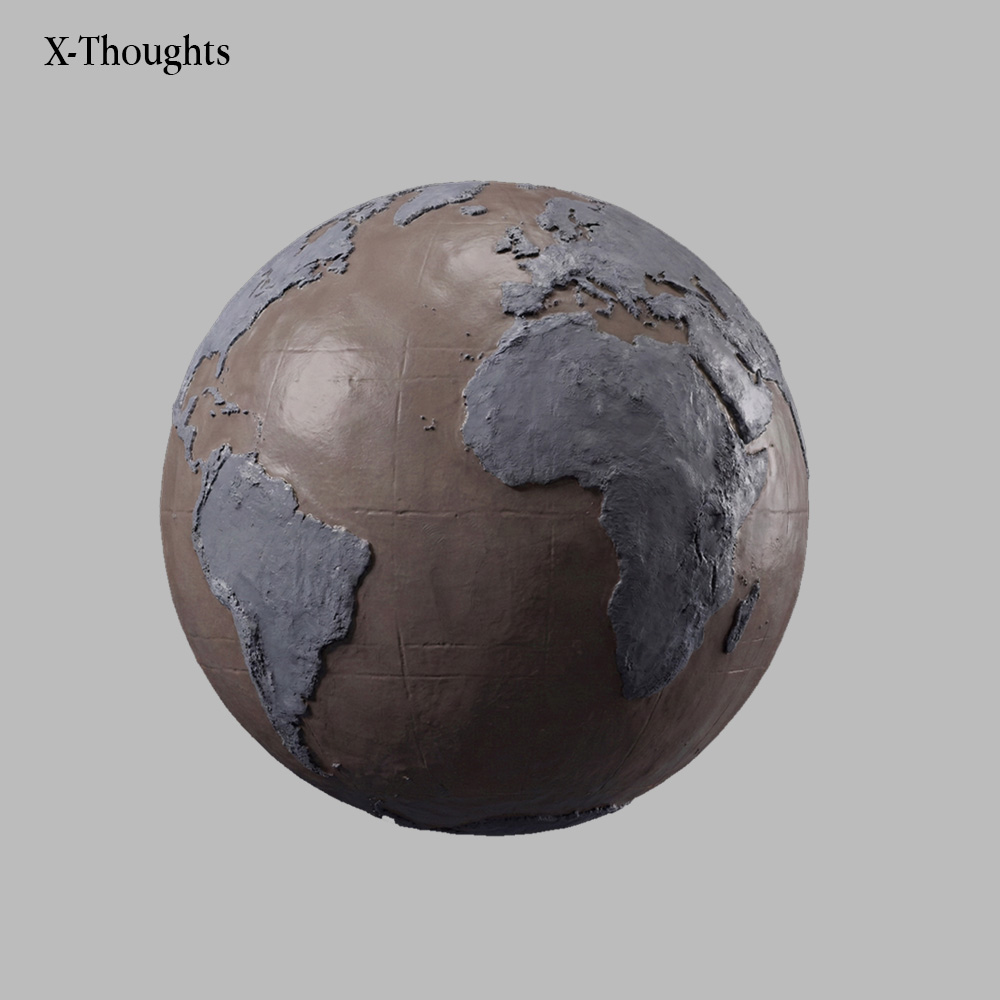
In 2020, a study of over 7,000 historical objects confirmed a stark reality: over two centuries, color has quietly bled out of the things we make. What began as a pursuit of industrial efficiency mutated into a sterile aesthetic ideology, where endless greys and “timeless” neutrals were falsely crowned as modern, and lazy minimalism was mistaken for good taste. But our eyes are starving. This forced, grey uniformity doesn’t just lack character; it actively dulls our stimulation and flattens our mood, leaving a quiet hunger for visual energy we barely even register anymore. At xtra studio, we know the next true creative rebellion isn’t about achieving frictionless, desaturated perfection. It is about rejecting the void and unapologetically bringing the life, texture, and vivid color back in.
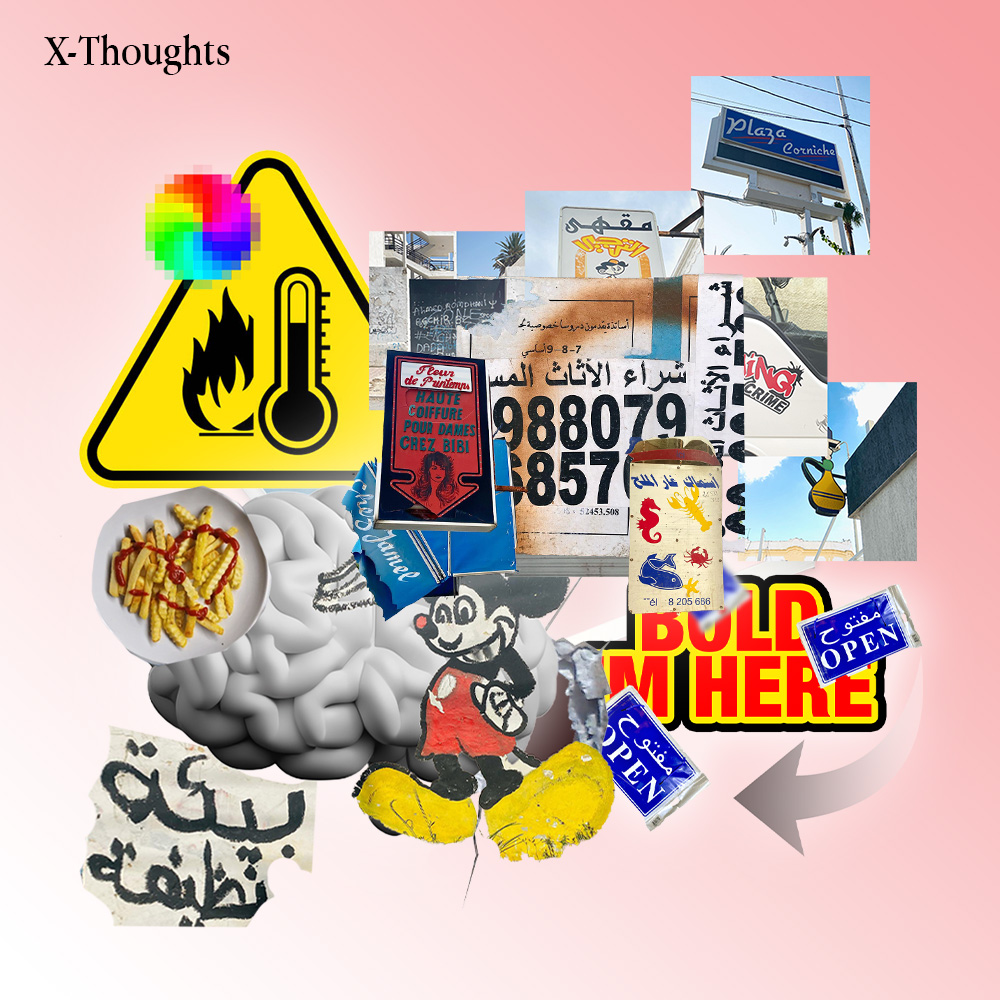
North Africa’s streets aren’t “badly designed” they’re visual archives of survival. Flyers layered on broken walls, neon signs clashing with hand-painted type, shop banners screaming louder than the next.
Hidden in the ugly is a lesson: design here doesn’t beg for order, it thrives on contradiction. It’s raw, improvised, sometimes painful to look at but it’s alive.
To understand this chaos is to respect it. To respect it is to learn from it. And to learn from it is to build something new, without erasing where it came from.
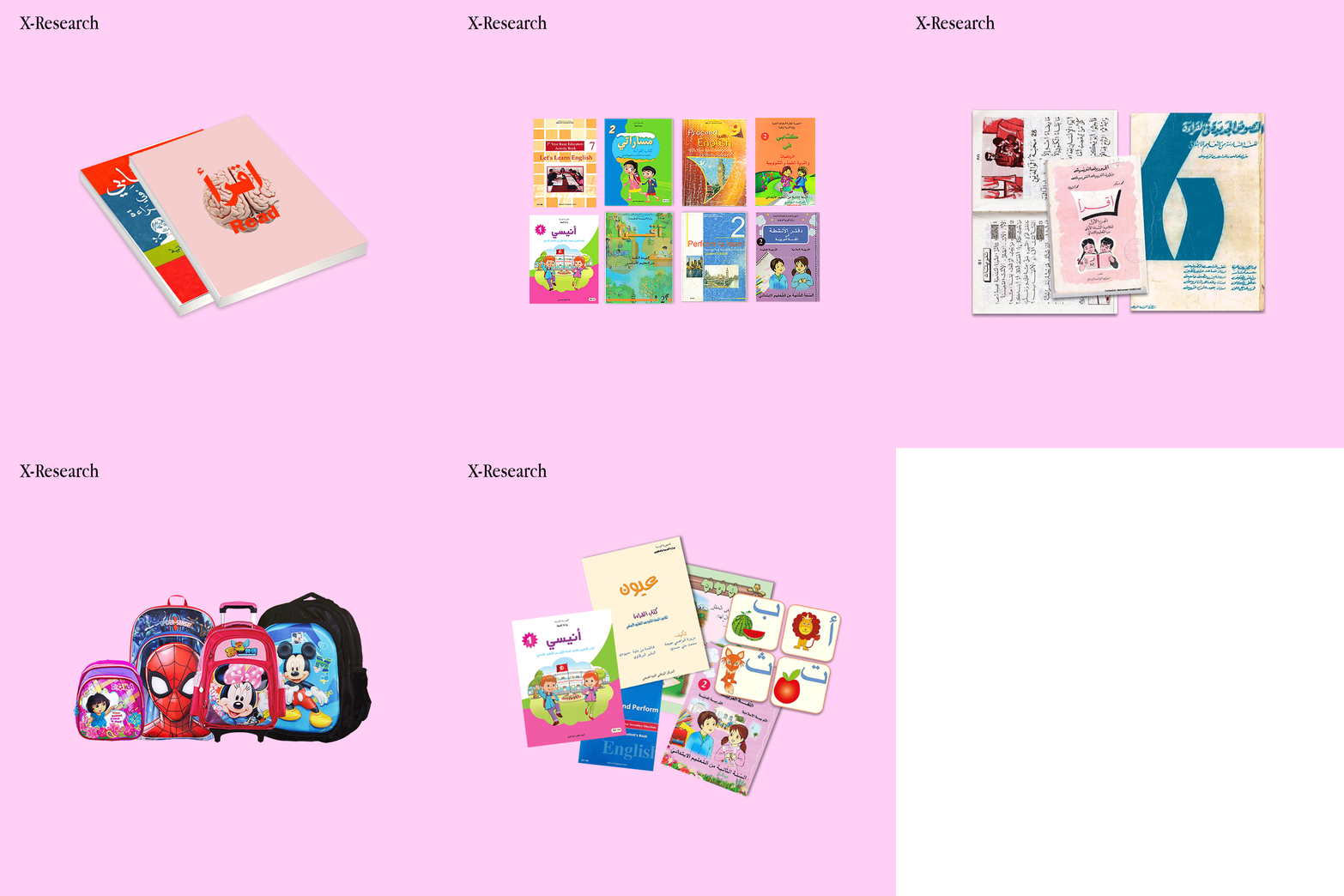
Our first design lessons came from schoolbooks, crowded, chaotic, and messy. If design starts at 6, then clarity and consistency should be non-negotiable.
This research is about making things clear and building a solid strategy: schoolbooks matter more than anything, because changing them can change everything.
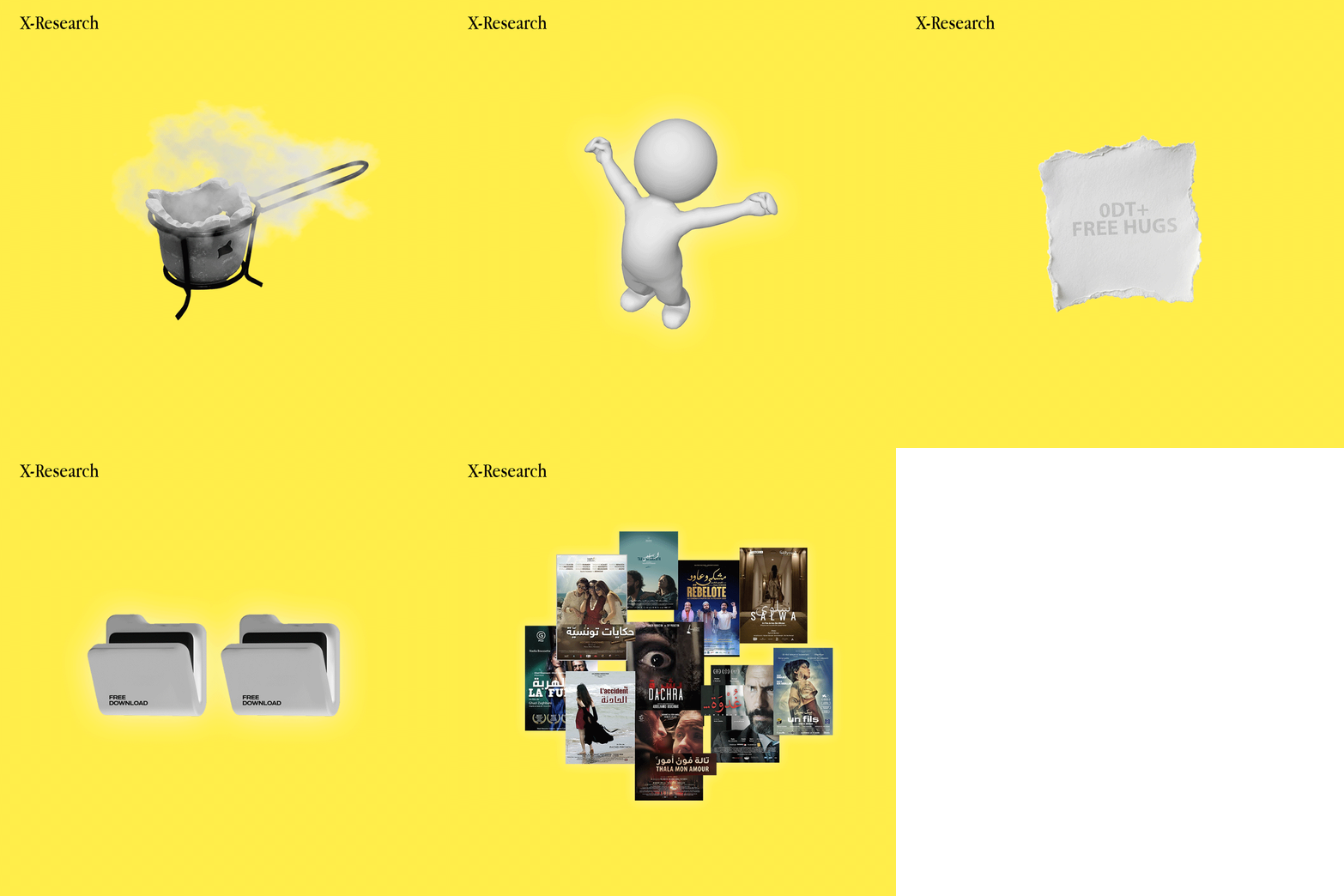
Tunisian cinema has stories worth telling, but the posters too often fail them. Same fonts, same layouts, rushed stills from the film slapped on at the last minute. Low budgets, lack of design knowledge, and a culture that sees posters as secondary all add up to visuals that don’t match the power of the films themselves.
This series is a reflection on that problem: honest critique, raw observations, and reminders of how important poster design is in shaping an entire industry. Because a poster isn’t decoration, it’s the first spark that can make cinema explode beyond its screen.
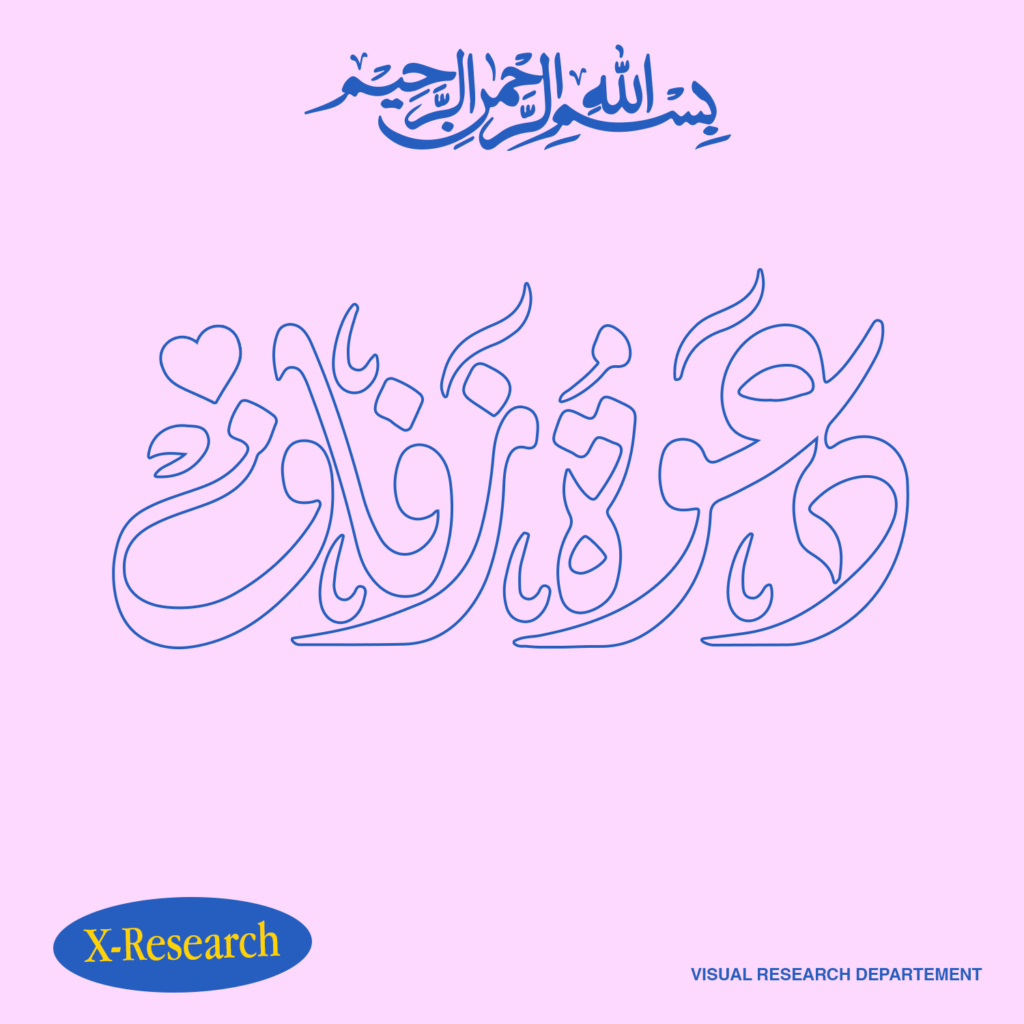
Weddings in Tunisia are not quiet affairs. They’re social theatre a public declaration of pride, legacy, and hierarchy. Every gesture is coded, every detail symbolic. And the very first scene of this performance? The wedding invitation.
Gold foil. Embossed borders. Script fonts so curly you can barely read the names. Glitter that ends up everywhere. These are not just decorations — they’re visual signals of success, taste, and family power. What looks “ugly” to a designer’s eye is, in truth, a reflection of cultural psychology: the need to show, to celebrate, to perform status. In Tunisia, the wedding invitation is the trailer of the film — an object meant to impress, not to simplify.