Why Tunisian Movie Posters Are Ugly?
Tunisian cinema has stories worth telling, but the posters too often fail them. Same fonts, same layouts, rushed stills from the film slapped on at the last minute. Low budgets, lack of design knowledge, and a culture that sees posters as secondary all add up to visuals that don't match the power of the films themselves.
This series is a reflection on that problem: honest critique, raw observations, and reminders of how important poster design is in shaping an entire industry. Because a poster isn't decoration, it's the first spark that can make cinema explode beyond its screen.
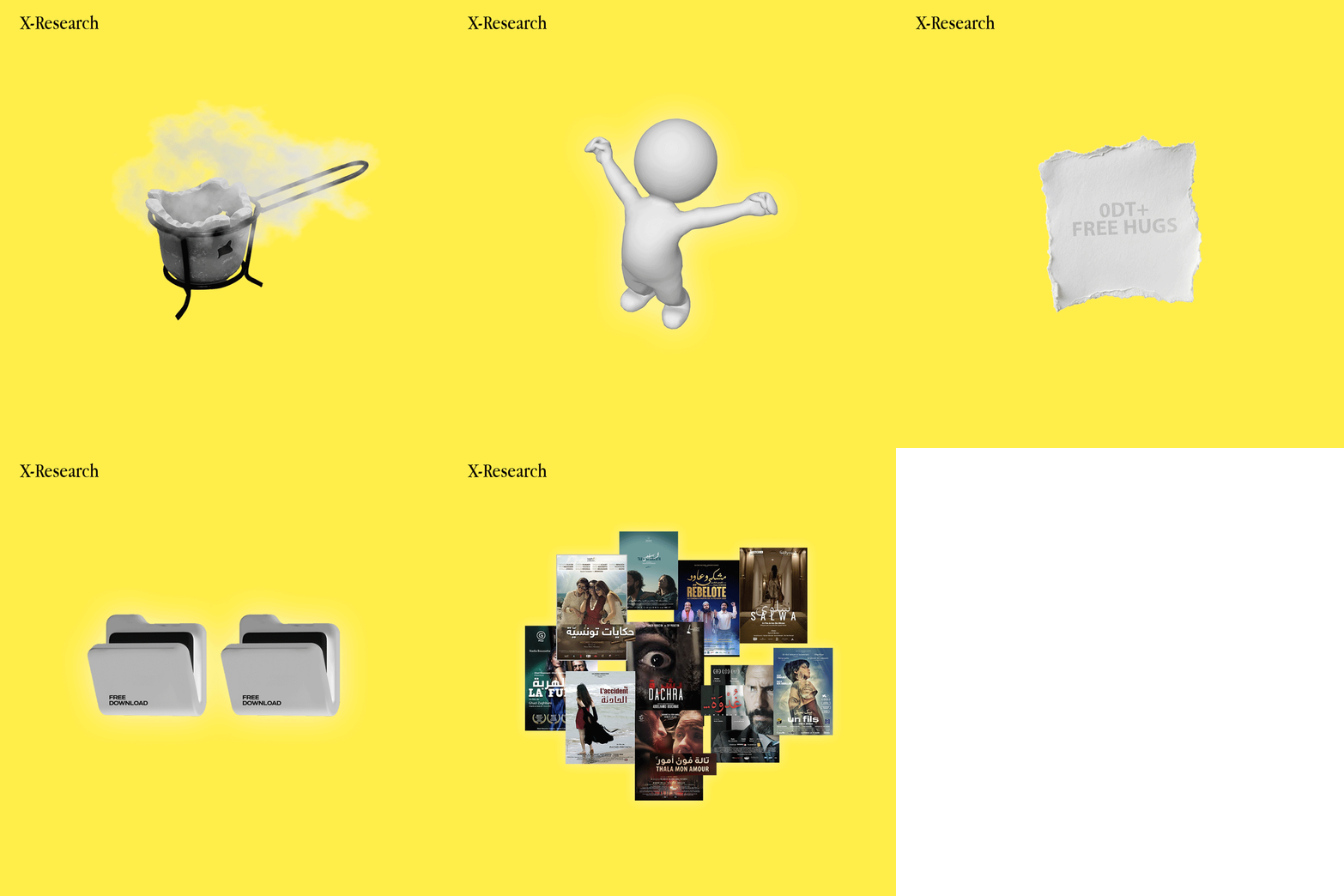
Tunisian posters often rely on free fonts
downloaded in seconds. It's cheap, it's easy, it's everywhere. This shortcut creates a sameness that says more about budget than vision.
Many posters aren't made by graphic designers at
all, but by whoever is
"good with Photoshop."
The lack of knowledge shows: kerning off, colors clashing, letters floating with no story to tell.
With no budget for design, the poster becomes
the last thing on the list. A still image from the film, a title dropped on top, exported as the "official" artwork. Last-minute visuals for years of work.
A powerful poster can travel, seduce festivals, build hype, and turn films into movements. Every missed poster is a missed chance for Tunisian cinema to step onto the global stage.
The clashing fonts, heavy shadows, random
choices ugly to some, unique to others. This
aesthetic, even if accidental, becomes a silent
archive of how Tunisian cinema presents itself to
the world.
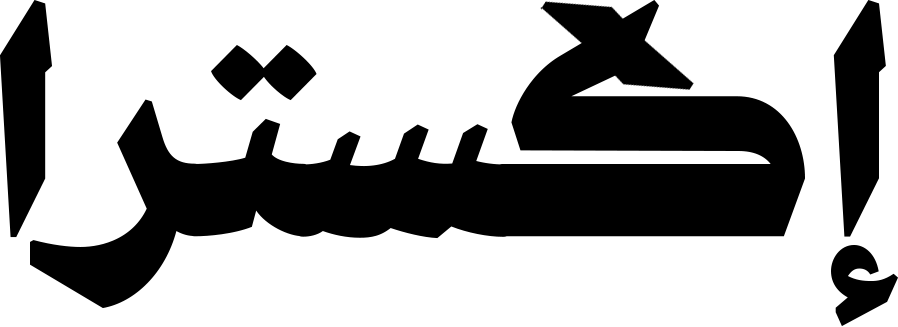
You've seen it before, the same Arabic typeface
recycled on poster after poster. What looks like
laziness is actually a silence: a lack of investment
in the language of design.